Hypotéka během stavby: jak ji získat a co musíte vědět
When you're building your own home, a hypotéka během stavby, půjčka, která se vyplácí postupně podle průběhu stavby, ne jako celá částka najednou. Also known as stavební hypotéka, it is the only realistic way most families in the Czech Republic can afford to build without selling everything first. Unlike buying an apartment, where you pay upfront and move in, building a house means paying in stages — and banks know that. They won’t give you the full amount on day one. They tie each payout to actual progress: foundations, walls, roof, finishes. This protects them — and you — from overborrowing.
But here’s what most people don’t realize: a stavební úvěr, specifický typ hypotéky určený pro novostavby, který má jiné podmínky než hypotéka na koupi isn’t just a loan. It’s a timeline. You need approved building plans, a signed contract with a builder, and proof you’ve put in at least 10–20% of your own money before they even look at your application. Many think they can start building first and get the loan later. That’s a mistake. Banks require documents before the first shovel hits the ground.
The finanční plánování stavby, systém, který spojuje hypotéku, osobní příspěvky, dotace a časový harmonogram výdajů is where most projects fail. People focus on the price of bricks and mortar, but forget about permits, inspections, delays, or sudden material price hikes. A good plan includes a 10–15% buffer. If your roof takes two months longer than expected, you need cash to cover the gap — not just hope the next bank disbursement comes on time.
And don’t assume all banks are the same. Some offer lower interest rates but require higher personal contribution. Others give you more flexibility in payout stages but charge higher fees. In 2025, Czech banks are stricter than ever about income verification — you’ll need payslips from the last 6 months, tax returns, and proof of stable employment. Self-employed? Prepare for extra paperwork and possibly higher rates.
What about government support? Programs like Nová zelená úsporám or Podpora bydlení can reduce your burden — but only if you apply before construction starts. Many people miss this window. The money isn’t automatic. You must submit applications, get approval, and then tie it directly to your loan disbursements.
And here’s the quiet truth: your house won’t be perfect when you move in. There will be scratches on the floors, mismatched tiles, or a window that doesn’t open right. The bank doesn’t care about that. They only care that the structure is complete and safe. That’s why you need to separate emotional expectations from financial reality. Your hypotéka během stavby is not a reward for a beautiful home — it’s a tool to build one.
Below you’ll find real-life guides from Czech homeowners who’ve been through this. They’ll show you how they negotiated with banks, what documents they actually needed, how they handled delays, and what they wish they’d known before signing anything. No fluff. No theory. Just what worked — and what cost them thousands.
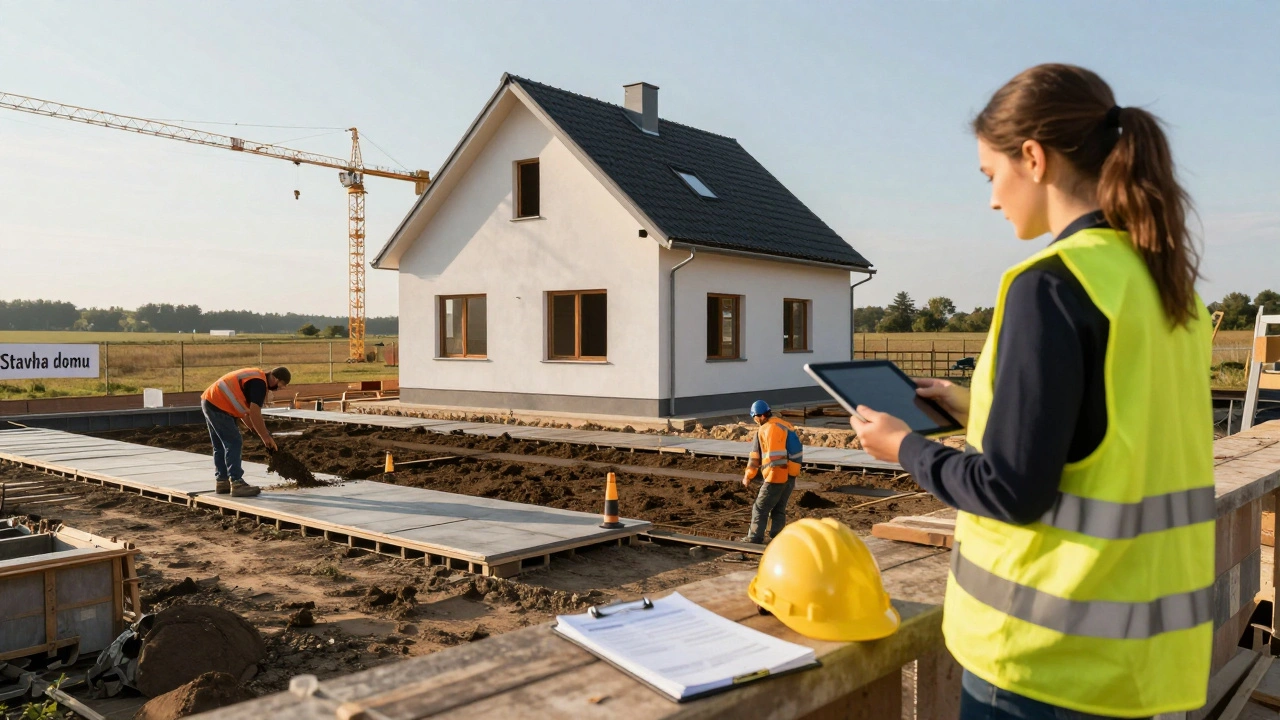
Dílčí čerpání hypotéky během stavby: Jak funguje a co musíte vědět
Dílčí čerpání hypotéky během stavby umožňuje postupné uvolňování peněz podle průběhu výstavby. Zjistěte, jak funguje, jaké jsou tranše, co banka vyžaduje a jak se vyhnout běžným chybám.
Číst více