Daňová výjimka § 12c: Jak správně využít osvobození od daně při prodeji nemovitosti
When you sell a property in the Czech Republic and use the money to buy a home for yourself, you might not have to pay income tax at all. This is thanks to daňová výjimka § 12c, daňové osvobození, které umožňuje vyhnout se daně z příjmu z prodeje nemovitosti, pokud peníze využijete na vlastní bytovou potřebu. Also known as daňové osvobození na bytovou potřebu, it’s not a loophole—it’s a legal tool designed to help people upgrade their living conditions without being penalized by the state. Many people miss out on this because they don’t know what counts as "vlastní bytová potřeba" or they wait too long to spend the money.
The key is timing and purpose. The law says you must use the proceeds within three years after the sale to buy, build, or significantly renovate a home for yourself or your close family. That includes buying a new apartment, paying off a mortgage, or even upgrading your current home with a full renovation. But it doesn’t include buying a vacation home, paying off credit cards, or putting the money into a savings account. The vlastní bytová potřeba, právní pojem označující výdaje na bydlení pro vlastní potřebu, které jsou kvalifikovány jako důvod pro daňové osvobození must be real, documented, and directly tied to your primary residence.
What trips people up? Documentation. The Finanční správa ČR, úřad, který kontroluje splnění podmínek daňové výjimky a vyžaduje přesné doklady o výdajích doesn’t guess—you have to prove it. Keep every invoice, bank transfer receipt, and contract. If you’re paying off a mortgage, show the loan agreement and proof of payment. If you’re renovating, include the building permit and itemized bills. Over 37% of applications get rejected simply because the paperwork is incomplete or unclear.
This rule doesn’t just help first-time buyers. It’s equally valuable if you’re selling a larger family home to downsize into a smaller, more manageable apartment, or if you’re upgrading from a rental to ownership. The amount you save depends on your tax bracket—up to 15% of the profit. For someone who made a 500,000 Kč profit, that’s 75,000 Kč back in your pocket. That’s not pocket change—it’s a new kitchen, a new roof, or a down payment on a better place.
And don’t assume the rules are the same for everyone. If you inherited the property, rented it out for years, or sold it after owning it less than five years, the situation changes. The law doesn’t care about your intentions—it cares about what you did and how you spent the money. That’s why the posts below cover real cases: how people successfully used the exemption, what documents they submitted, and what mistakes cost them thousands.
You’ll find practical guides on how to document your expenses, which renovations qualify, how to time your purchase to stay within the three-year window, and what to do if the Finanční správa ČR questions your claim. No theory. No fluff. Just what works in the Czech system right now.
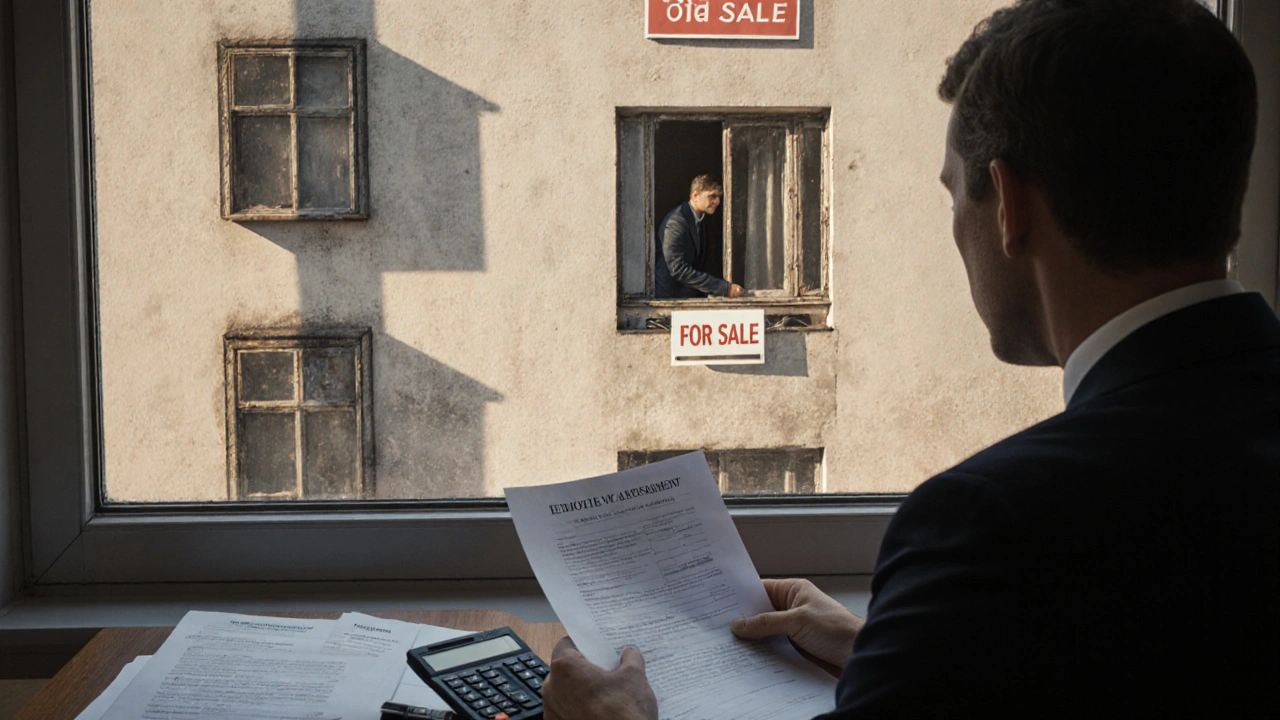
Daňové dopady prodeje investiční nemovitosti s nájemníkem v Česku 2025
Zjistěte, jaké daně zaplatíte při prodeji investiční nemovitosti s nájemníkem v Česku v roce 2025. Vše o sazbách, paušálních výdajích, výjimce § 12c a nových pravidlech.
Číst více