Čerpání hypotéky tranše: co potřebujete vědět o výplatách hypotéky ve fázích
When you take out a mortgage, you don't get the full amount all at once. Instead, it's paid out in čerpání hypotéky tranše, proces, při kterém banka vydává hypotéční úvěr ve fázích podle potřeb výstavby nebo koupi nemovitosti. Also known as výplata hypotéky ve fázích, it ensures funds are used properly and reduces your interest burden until the property is ready. This isn’t just paperwork—it directly affects how much you pay each month, when your payments start, and even how much equity you build early on.
Most people think getting a mortgage means getting a big lump sum and starting repayments immediately. But in practice, banks release money in tranše, konkrétní částky, které jsou vyplaceny podle dokončení etap výstavby nebo splnění podmínek smlouvy. For example, if you’re building a house, you might get one tranche after the foundation is done, another after the roof is on, and the final one after the final inspection. Each tranche triggers a new phase of repayment. The bank wants to see progress before handing over more cash—and so should you.
It’s not just about construction. Even when buying an existing home, especially if it needs renovation, the bank may split the payout. They’ll pay part upfront for the purchase, and the rest after you prove the renovations are complete. This protects them—and you—from overpaying for a property that doesn’t meet expectations. Some borrowers don’t realize they can negotiate tranche conditions. Ask: Can I get the first tranche earlier? Can I combine two phases? Can I delay the final tranche if I’m not ready to move in?
And don’t forget about fees. Some banks charge for each tranche withdrawal. Others only charge once the full amount is released. These costs add up. One client in Brno paid over 15,000 Kč extra because he didn’t check the fee structure before signing. Always read the fine print: is there a limit on how many tranche withdrawals you can make? What happens if you miss a deadline for requesting the next tranche?
Timing matters too. If you request a tranche too early, you’ll start paying interest on money you’re not using yet. Too late, and your builder might pause work. The sweet spot is aligning tranche requests with actual progress. Keep receipts, photos, and inspection reports. Banks will ask for them. And if you’re buying a ready-made apartment, the tranche system might be simpler—but still present. The bank will pay the seller once the deed is transferred, then release the rest after you register ownership.
What’s often overlooked is how tranche payments affect your tax deductions. In the Czech Republic, you can deduct mortgage interest from your income tax—but only once the funds are actually used for the property. If you’re paying interest on a tranche you haven’t spent yet, you can’t claim it yet. Plan ahead. Keep a simple log: date of tranche, amount, purpose, and when you spent it. This saves headaches during tax season.
And yes, this system works differently across banks. Some are flexible. Others stick to rigid schedules. If you’re comparing offers, ask: "How many tranche withdrawals are allowed? Is there a time limit between them? What documents do I need to submit?" Don’t assume all mortgages are the same. The difference in tranche flexibility can save you thousands.
Below you’ll find real-life examples and guides that break down exactly how tranche withdrawals work in Czech conditions—from building a house from scratch to buying a fixer-upper. No theory. Just what you need to know before you sign, pay, or wait.
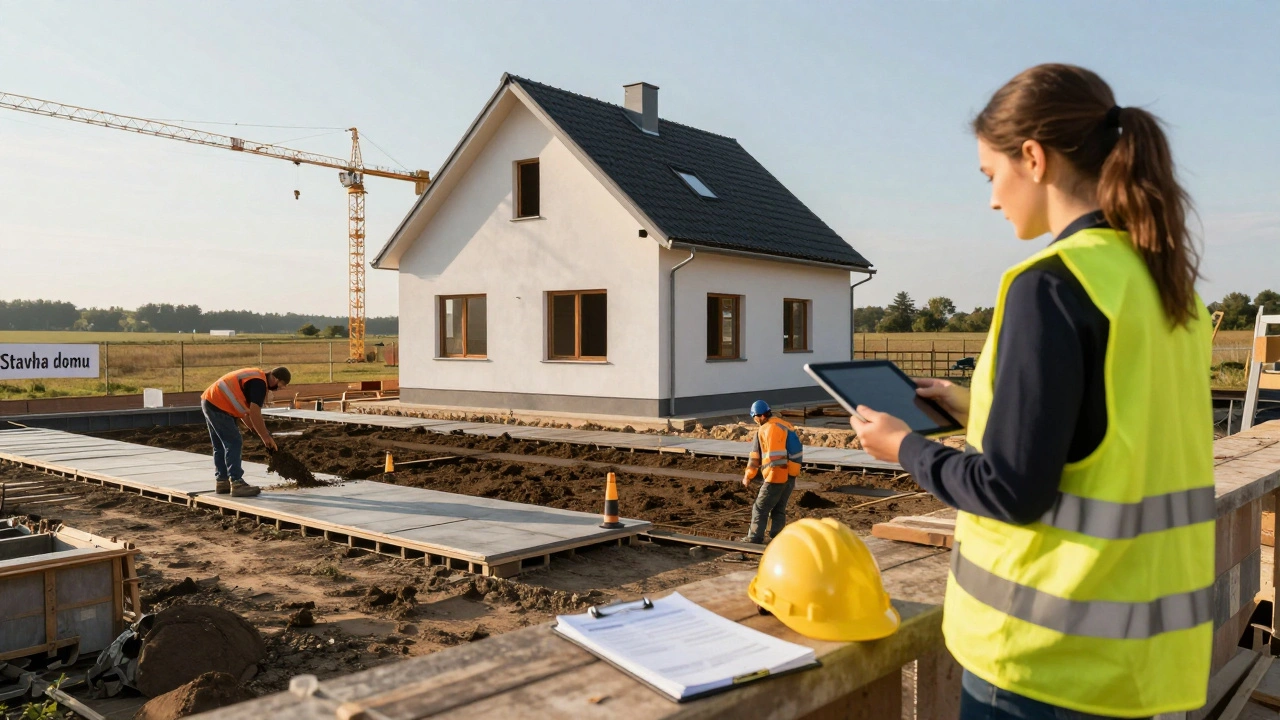
Dílčí čerpání hypotéky během stavby: Jak funguje a co musíte vědět
Dílčí čerpání hypotéky během stavby umožňuje postupné uvolňování peněz podle průběhu výstavby. Zjistěte, jak funguje, jaké jsou tranše, co banka vyžaduje a jak se vyhnout běžným chybám.
Číst více